Note · 4 March 2026
A zone needs width: wicks, closes, and the swing that owns them
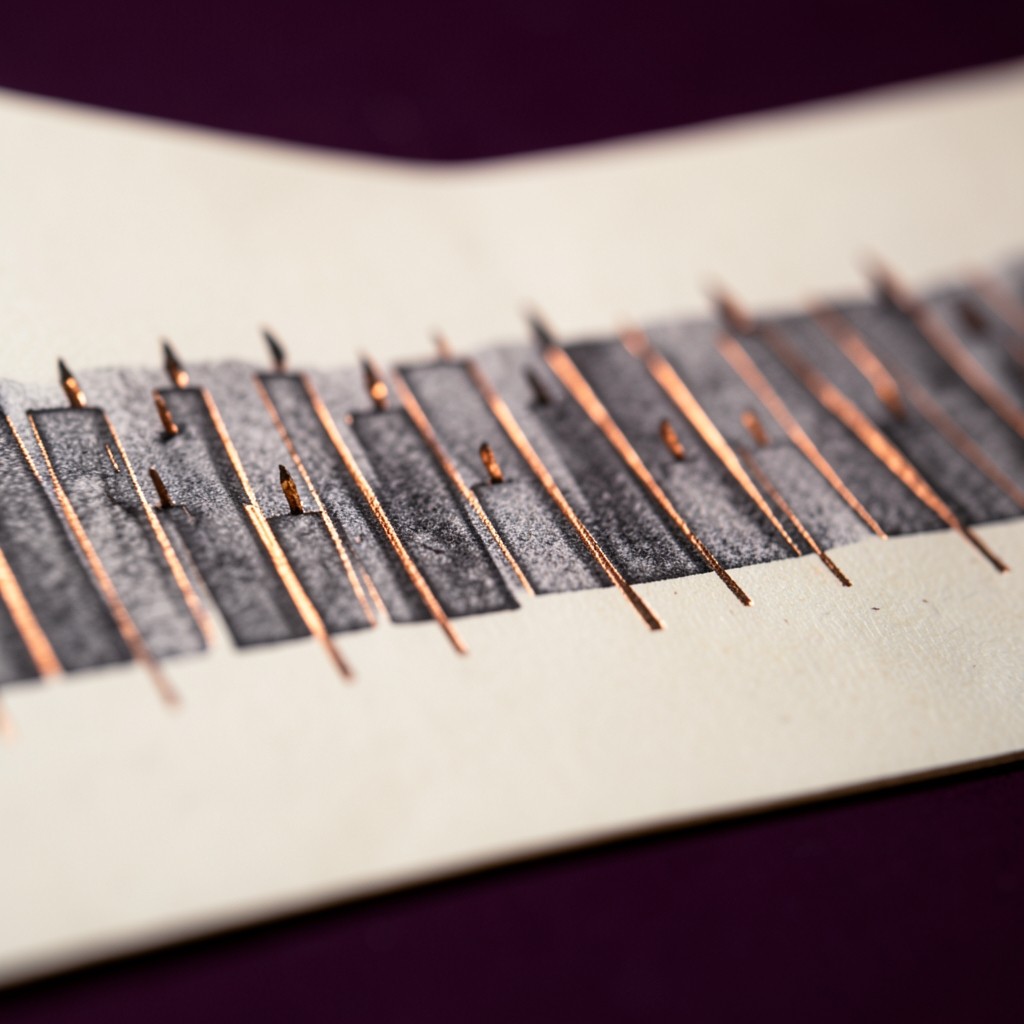
A single horizontal line through one wick looks decisive on a screen and falls apart the moment the next bar pokes through it. In the chart room we treat support and resistance as a band with two edges, and we do not shade anything until we can name the swing that owns it.
The wick is a vote, not a boundary
On a printed daily chart of a liquid KOSPI name, three or four wicks often stall inside a few hundred won of each other without sharing the exact same print. Drawing the line at the most extreme wick makes the level look precise. It also makes every later tick that passes that wick look like a break. The extreme wick belongs inside the zone. It does not define the only price that matters.
We set the outer edge at the furthest wick that still belongs to the same swing, and the inner edge at the nearest cluster of closes that rejected from that area. If the closes and the wicks are far apart, the zone is wide. Width is the record of disagreement between traders who sold the wick and traders who waited for the close. Hiding that disagreement inside a hairline is how people talk themselves into a break that was only a wick.
Name the swing before you shade
A zone without a swing is a decoration. Before the pencil hatches anything, we say the sentence out loud: this band comes from the high of the March swing, or from the shelf that held twice in January on the 60-minute. If we cannot finish the sentence, we do not shade. That rule stops the common habit of painting the entire range of a trend as one giant support area. A trend range is a story about direction. A zone is a story about a specific turn.
In a February sitting, a participant brought a chemicals name and a line at 142,000 won drawn through a single wick. The closes had rejected nearer 145,500. The swing high that started the move sat above both. We widened the band to cover the wick cluster and wrote the swing date in the margin. The line at 142,000 stayed visible, crossed out, so the old mark was not pretended away.
What gets written in the margin
Four items, and then the pencil stops. The upper price. The lower price. The timeframe. The swing, named by its date or by the bar we can point to. We do not add a target, a stop, or a comment about how crowded the trade looks. Those sentences belong somewhere else. On our sheets they crowd out the only fact the zone is meant to hold: where reactions clustered, and which turn they came from.
If you practice this on your own between sittings, use the same four items. When a later bar closes through the outer edge, do not erase the zone. Write the date of the close beside it. A broken zone is still part of the map; it tells you the swing has been answered.
Sittings that practice this kind of markup are listed under desk hours.